

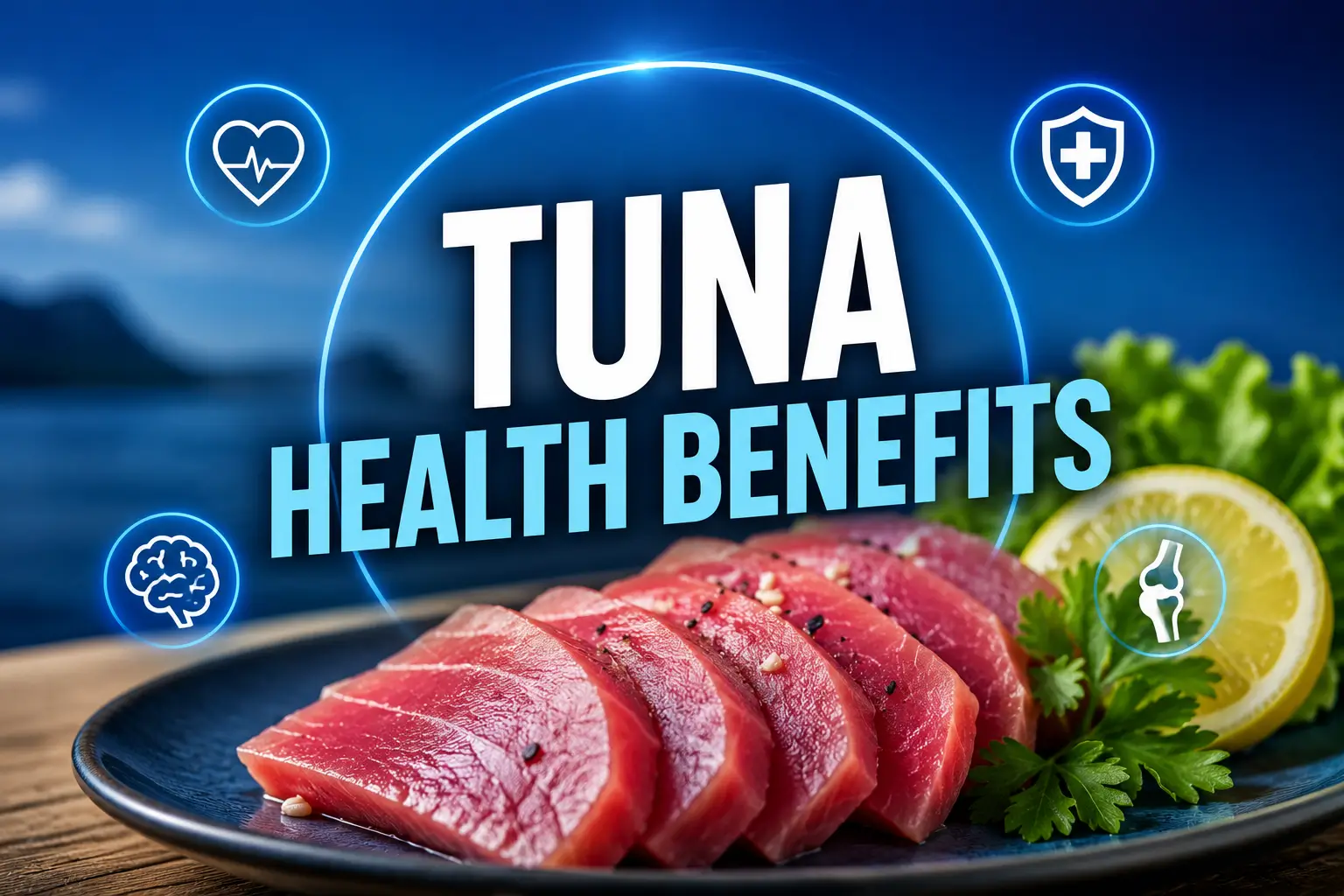
Tuna is one of the most popular fish in the world. It shows up in sandwiches, salads, pasta dishes, and sushi. But beyond being tasty, tuna is also packed with nutrients your body needs every day. This is why so many people search for tuna health benefits when planning a healthy diet.
This guide breaks down everything you need to know about tuna. We will cover its nutrition facts, its protein content, its vitamins and minerals, and how much is safe to eat. We use easy words and short points so anyone can follow along, even if you are not a nutrition expert.
At VIPThoughts, we cover health and lifestyle topics often. Our goal is simple. We give you clear, honest information you can use to make better food choices. No confusing science talk. Just facts you can use.
Tuna Nutrition Facts You Should Know
Tuna is considered a nutrient-dense food. This means it gives you a lot of nutrition without a lot of calories.
A typical 3-ounce serving of light tuna packed in water contains roughly:
- 70 to 100 calories
- About 20 to 22 grams of protein
- Less than 1 gram of fat
- Zero carbohydrates
- A good amount of selenium and vitamin D
These numbers make tuna one of the leanest protein sources available. Compared to many other meats, tuna delivers protein without adding a heavy calorie load.
Tuna also comes in different forms. You can find it fresh, frozen, or canned. Canned tuna is especially popular because it is affordable, shelf-stable, and ready to eat within minutes. Despite being convenient, canned tuna still holds onto most of its original nutrients, especially when packed in water instead of oil.
This combination of convenience and nutrition is a big reason tuna remains a pantry staple in so many households across the United States.
It also helps to understand how tuna compares to other common protein sources. Chicken breast and tuna are often compared side by side, since both are lean and protein-rich. Tuna tends to have fewer calories per serving while offering a similar or higher protein amount, along with the added Tuna Health Benefits of omega-3 fatty acids that chicken does not naturally provide.
This makes tuna a useful option for people who want variety in their protein sources instead of relying only on poultry or red meat. Rotating between different protein sources also helps ensure a wider range of nutrients in your overall diet.
Top Tuna Health Benefits
Tuna offers several Tuna Health Benefits that make it a smart addition to a balanced diet. Let’s look at the biggest ones.
High-Quality Protein Source
Protein is essential for building and repairing muscle, supporting immune function, and keeping you feeling full after meals. Tuna is considered a complete protein, meaning it contains all the essential amino acids your body cannot produce on its own.
A single serving of tuna can provide a large portion of your daily protein needs.
This makes it a popular choice for:
- People are trying to build muscle
- Those following a high-protein diet
- Anyone looking for a quick, filling meal option
Because tuna is so protein-dense while staying low in calories, it works well for people who want to feel satisfied without overeating.
Rich in Omega-3 Fatty Acids
Tuna contains omega-3 fatty acids, including EPA and DHA. These are healthy fats that the body cannot produce on its own, so they must come from food.
Omega-3s are linked to several health benefits, including:
- Supporting heart health
- Reducing inflammation in the body
- Supporting brain function
Different types of tuna contain different amounts of omega-3s. Fattier varieties, like albacore, generally contain more omega-3s than leaner varieties, like skipjack, which is commonly used in canned light tuna.
Supports Heart Health
Heart health is one of the most talked-about Tuna Health Benefits of eating fish regularly, and tuna is no exception. The combination of lean protein, low saturated fat, and omega-3 fatty acids makes tuna a heart-friendly food choice.
Diets that include regular servings of fish, including tuna, are often associated with better cardiovascular outcomes. This is one reason major health organizations recommend including fish as part of a balanced weekly diet, rather than relying only on red meat for protein.
Replacing some red meat meals with tuna can be a simple way to reduce saturated fat intake over time. Since saturated fat is closely linked to cholesterol levels, this kind of small dietary swap may support better long-term heart health when combined with other healthy habits, like regular exercise and a balanced diet overall.
Other Everyday Benefits
Beyond the three major Tuna Health Benefits above, tuna also supports several other aspects of everyday health. Its protein content supports steady energy levels throughout the day, since protein digests more slowly than simple carbohydrates. This can help prevent the energy crashes that often come from sugary or highly processed snacks.
Tuna’s low-fat content also makes it easy to fit into many different types of eating plans, whether you are focused on muscle building, heart health, or simply eating a more balanced diet overall.
Tuna Health Benefits for Weight Management
Tuna is a popular choice for people trying to manage their weight, and there are clear reasons why.
Because tuna is high in protein and very low in calories, it helps you feel full without consuming a large number of calories. This can make it easier to stick to a calorie-controlled eating plan without feeling hungry throughout the day.
Some reasons tuna works well for weight management include:
- Zero carbohydrates, which helps avoid blood sugar spikes
- Very low fat content, especially in water-packed varieties
- High protein content, which supports feelings of fullness
- Easy to prepare, making it simple to include in quick, healthy meals
Tuna also works well as a base for many low-calorie meals. You can pair it with vegetables, whole grains, or a light dressing to build a filling meal without adding excessive calories.
This makes tuna especially useful for meal prepping. Preparing a few tuna-based meals at the start of the week gives you a ready-to-eat, high-protein option on busy days, reducing the temptation to reach for less healthy convenience foods when time is short.
Tuna and Brain Health Benefits
The brain relies heavily on healthy fats to function properly, and this is where tuna’s omega-3 content becomes especially valuable.
DHA, one of the main omega-3 fatty acids found in tuna, is a major structural component of the brain.
Regular intake of DHA has been linked to:
- Supporting memory and cognitive function
- Contributing to healthy brain development, especially during pregnancy
- Supporting overall mental clarity as part of a balanced diet
Because the body cannot produce DHA on its own in large amounts, getting it through food sources like tuna is an efficient way to support long-term brain health.
This Tuna Health Benefits is particularly relevant for pregnant women, since DHA plays an important role in fetal brain and eye development. However, pregnant women should also pay close attention to mercury guidelines, which we will cover later in this guide.
Beyond pregnancy, brain health remains important throughout every stage of life. Some research has explored the connection between regular omega-3 intake and long-term cognitive health as people age. While diet alone cannot guarantee brain health, including omega-3-rich foods like tuna as part of a broader healthy lifestyle is a reasonable, evidence-supported habit worth building.
Pairing tuna health benefits with other brain-supporting habits, such as regular physical activity, quality sleep, and mental engagement, gives you a more complete approach to supporting cognitive health over time.
Vitamins and Minerals Found in Tuna
Beyond protein and omega-3s, tuna also delivers a solid range of vitamins and minerals that support overall health.
Vitamin D and B Vitamins
Tuna is one of the few natural food sources of vitamin D, a nutrient many people do not get enough of, especially those with limited sun exposure.
Vitamin D plays a key role in:
- Supporting bone health
- Supporting immune system function
- Helping the body absorb calcium properly
Tuna is also a good source of B vitamins, particularly vitamin B12, which supports nerve function and helps the body produce red blood cells.
Selenium and Other Minerals
Selenium is another standout nutrient found in tuna. This mineral acts as an antioxidant in the body, helping protect cells from damage.
Other minerals found in tuna include:
- Potassium, which supports healthy blood pressure levels
- Phosphorus, which supports bone and teeth health
- Small amounts of iron, which support oxygen transport in the blood
Together, these nutrients make tuna a well-rounded food, not just a simple protein source.
This wide nutrient profile is one reason tuna is often recommended as part of a balanced diet rather than viewed as a single-purpose food. Getting a mix of protein, healthy fats, vitamins, and minerals from one food source simplifies meal planning, especially for people who want nutrition without needing to track many different food groups separately.
Different Types of Tuna and Their Benefits
Not all tuna is the same. Different species offer slightly different nutrition profiles, and knowing the difference can help you choose the right type for your needs.
- Skipjack (light tuna): Lean, lower in fat, and generally lower in mercury. Common in most canned light tuna products.
- Albacore (white tuna): Higher in fat and omega-3 content, but also tends to have higher mercury levels than skipjack.
- Yellowfin tuna: Often used in fresh tuna steaks and sushi, offering a lean protein profile similar to skipjack.
- Bigeye tuna: Rich in protein and low in fat, but tends to have higher mercury levels, so moderation matters more with this type.
Choosing the right type of tuna often comes down to balancing your goals. If you want more omega-3s, albacore may be appealing. If you want a lower-mercury option for frequent meals, skipjack or canned light tuna health benefits that are usually safer.
How Much Tuna Is Safe to Eat?
While tuna offers many Tuna Health Benefits, moderation matters because of mercury content. Mercury is a naturally occurring element that can build up in certain fish over time, including some types of tuna.
General guidance suggests:
- Adults can typically enjoy 2 to 3 servings of lower-mercury tuna, like canned light tuna, per week
- Higher-mercury varieties, like albacore or bigeye, are best limited to about 1 serving per week
- Pregnant women, breastfeeding mothers, and young children should stick to lower-mercury options and follow specific guidance for their group
Rotating tuna with other low-mercury seafood, like salmon or sardines, is a smart way to enjoy the Tuna Health Benefits of fish without overloading on any single source of mercury.
Paying attention to serving size and frequency allows most people to enjoy tuna health benefits while keeping mercury exposure within a safe range.
Best Ways to Add Tuna to Your Diet
Adding tuna to your meals does not have to be complicated. Here are some simple, practical ways to enjoy it regularly.
- Tuna salad: Mix canned tuna with a light dressing, vegetables, and whole-grain crackers or bread for a quick meal.
- Tuna and greens: Add tuna to a bed of leafy greens for a high-protein, low-calorie lunch.
- Tuna pasta: Combine tuna with whole-grain pasta, vegetables, and a light sauce for a filling dinner option.
- Grilled tuna steaks: Fresh tuna steaks work well grilled or pan-seared with simple seasoning.
- Tuna wraps: Use tuna as a protein-packed filling for wraps alongside vegetables and a light spread.
These simple preparations make it easy to include tuna in your weekly meal rotation without spending a lot of time in the kitchen.
Possible Risks and Who Should Be Careful
While tuna offers real health benefits, it is not risk-free for everyone. Understanding these risks helps you make smarter choices.
- Mercury exposure: Regularly eating high-mercury tuna varieties can lead to increased mercury levels in the body over time.
- Pregnancy considerations: Pregnant and breastfeeding women should stick to low-mercury options and follow recommended serving limits closely.
- Children: Young children should also stick to lower-mercury tuna and smaller serving sizes, based on their age.
- Fish allergies: Anyone with a known fish allergy should avoid tuna entirely, regardless of its Tuna Health Benefits.
- Sodium content: Canned tuna, especially varieties packed in oil or brine, can be higher in sodium, which matters for people managing blood pressure.
Being aware of these factors does not mean avoiding tuna altogether. It simply means eating it thoughtfully, choosing the right type, and sticking to recommended serving sizes.
It also helps to read labels carefully when buying canned tuna. Options labeled “no salt added” can help reduce sodium intake, while water-packed varieties generally keep the calorie and fat count lower than oil-packed options. These small label choices can make a noticeable difference over time, especially for anyone managing blood pressure or watching their calorie intake closely.
Conclusion
Tuna is a nutrient-packed food that offers real benefits when eaten as part of a balanced diet. It delivers high-quality protein, healthy omega-3 fats, and important vitamins and minerals, all while staying low in calories.
The key to enjoying tuna safely is moderation and variety. Choosing lower-mercury options, watching your serving sizes, and rotating tuna with other seafood helps you get the Tuna Health Benefits without the downsides.
Whether you are trying to build muscle, manage your weight, or simply eat a more balanced diet, health benefits can be a smart, affordable addition to your weekly meals. If you want more honest, easy-to-follow health guides like this one, VIPThoughts will keep bringing you clear information you can trust.
At the end of the day, no single food is a magic solution for health. Tuna works best as one part of a broader, balanced eating pattern that includes vegetables, whole grains, healthy fats, and a variety of protein sources. Used this way, tuna becomes a reliable, nutrient-dense tool you can count on week after week.
Small, consistent habits tend to matter more than any single “superfood” claim. Adding tuna to your regular rotation, alongside other whole foods, is a simple step that can support your long-term health goals without requiring a complicated diet plan.
Frequently Asked Questions (FAQs)
Is tuna good for daily consumption?
Not ideal daily. Most guidance suggests 2 to 3 servings of low-mercury tuna per week.
How much protein does tuna have?
A 3-ounce serving typically has about 20 to 22 grams of protein.
Is canned tuna as healthy as fresh tuna?
Yes, especially water-packed canned tuna, which retains most key nutrients.
Can tuna help with weight loss?
Yes. Its high protein and low-calorie content support fullness and weight goals.
Is tuna safe during pregnancy?
Yes, in moderation, but pregnant women should choose low-mercury options only.