

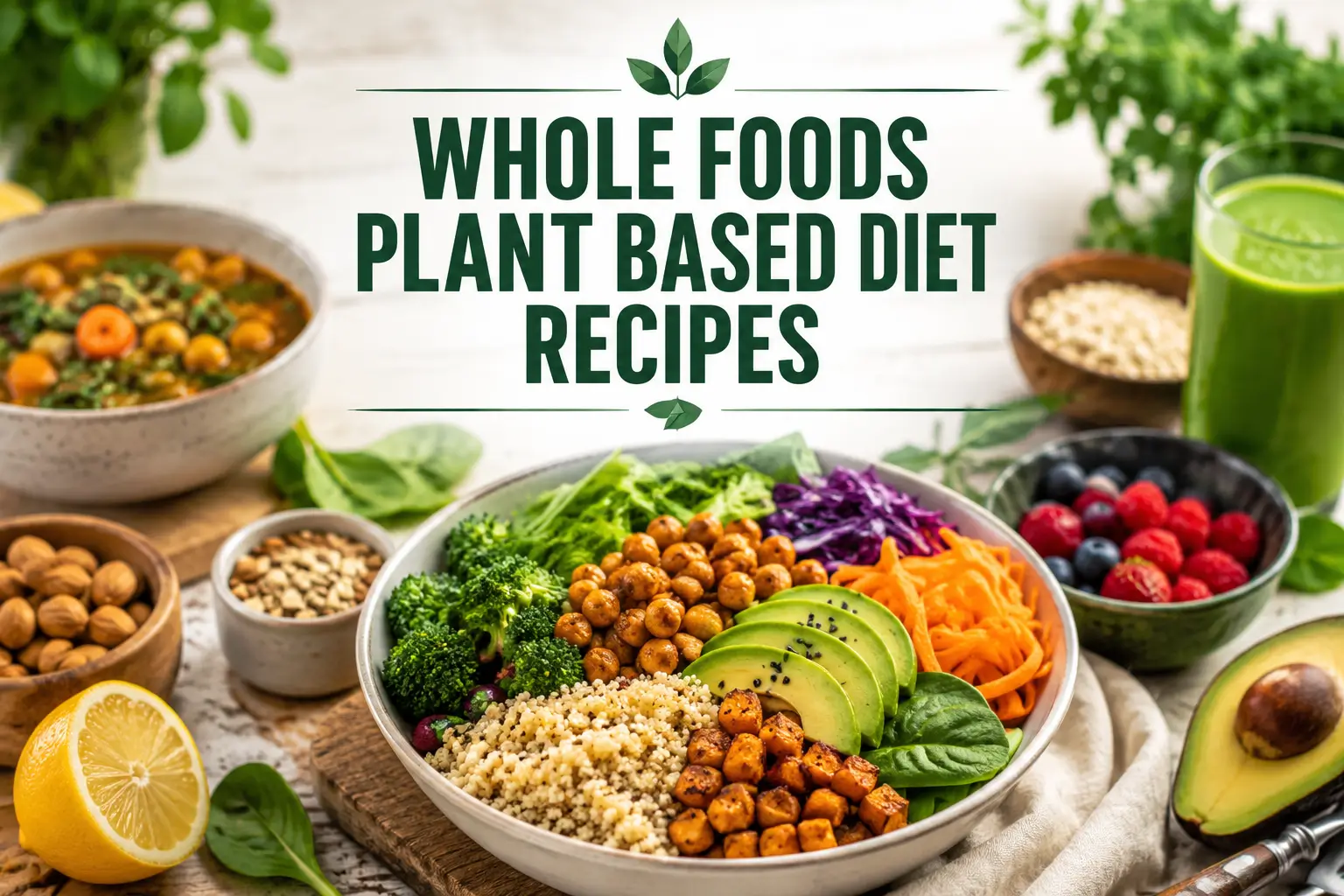
More people across the USA are switching to a whole foods plant based diet every year. This way of eating focuses on real, natural foods instead of packaged or processed items. It is simple, healthy, and surprisingly easy once you understand the basics.
If you are new to this lifestyle, finding the right recipes can feel overwhelming at first. There are so many options online, and not all of them are truly whole foods plant based diet recipes. Some still include processed ingredients or heavy oils that go against the core idea of this diet.
This guide will walk you through everything you need to know. We will cover what this diet actually means, the best ingredients to keep on hand, and a full collection of easy recipes for breakfast, lunch, dinner, and snacks. We will also share tips for meal prepping and common mistakes to avoid.
At VipThoughts, we love creating simple, healthy content that fits real life. This guide is written in easy words with short paragraphs, so anyone can follow along, even if you are just starting your plant based journey.
Whether you are trying to eat healthier, save money on groceries, or simply explore new flavors, these whole foods plant based diet recipes offer something for everyone. Let’s get started.
What is a Whole Foods Plant Based Diet?
A whole foods plant based diet focuses on eating foods that are close to their natural form. This means fruits, vegetables, whole grains, legumes, nuts, and seeds. It avoids heavily processed foods, refined sugar, and most animal products.
This is different from a regular vegan diet. A vegan diet simply avoids animal products, but it can still include processed vegan snacks, sugary drinks, or refined foods. A whole foods plant based diet goes a step further by focusing on minimally processed, natural ingredients.
The main idea is simple: eat real food, not packaged food. Instead of reaching for something with a long ingredient list, you choose foods that grow from the earth. This approach naturally leads to more nutrients and fewer additives in your daily meals.
Many people are drawn to this diet because it feels less restrictive than counting calories or following complicated rules. Instead, it focuses on food quality first, which often leads to better results naturally.
This way of eating has also grown popular because it fits many lifestyles. Whether you are vegetarian, vegan, or simply trying to eat healthier, the core ideas behind this diet can easily be adapted to your own needs and preferences.
Benefits of Whole Foods Plant Based Diet Recipes
Switching to whole foods plant based diet recipes can bring several benefits to your daily life. Here are some of the most common ones people notice.
- More energy throughout the day
- Better digestion from increased fiber intake
- Support for healthy weight management
- Lower risk of certain chronic health issues
- Improved skin and overall wellness
- A more sustainable and environmentally friendly lifestyle
Many people also notice they simply feel lighter and more active after switching to this style of eating. Since whole foods are naturally rich in fiber and nutrients, the body tends to feel more satisfied after meals.
Beyond personal health, this diet also supports a more sustainable lifestyle. Plant based meals generally require fewer resources to produce compared to heavily processed or animal-based foods, making it a choice that benefits both your body and the environment.
Another benefit many people overlook is cost savings. Whole ingredients like beans, grains, and seasonal vegetables are often more affordable than packaged convenience foods, especially when bought in bulk and prepared at home.
Essential Ingredients for Whole Foods Plant Based Diet Recipes
Before jumping into recipes, it helps to understand the core ingredients used in whole foods plant based cooking. Stocking your kitchen with these basics makes meal planning much easier.
Whole Grains to Stock Up On
Whole grains form the base of many plant based meals. They provide long-lasting energy and important nutrients. Popular options include:
- Brown rice
- Quinoa
- Oats
- Whole wheat pasta
- Barley
These grains work well in bowls, soups, and side dishes. They are also budget-friendly and easy to store for longer periods.
Keeping a variety of grains on hand makes it easy to switch things up throughout the week, so meals never feel repetitive or boring.
Legumes and Plant Proteins
Legumes are one of the most important food groups in this diet. They provide protein, fiber, and important minerals. Common choices include:
- Lentils
- Chickpeas
- Black beans
- Kidney beans
- Edamame
These ingredients form the protein base for many recipes, replacing meat in dishes like stews, salads, and wraps.
Dried legumes are especially budget-friendly and can be cooked in large batches, then stored for use across multiple meals throughout the week.
Fresh Fruits and Vegetables
Fruits and vegetables should make up a large part of every meal. They add color, texture, and essential vitamins. Try to include a variety of:
- Leafy greens like spinach and kale
- Root vegetables like carrots and sweet potatoes
- Colorful fruits like berries, apples, and citrus
- Cruciferous vegetables like broccoli and cauliflower
Eating a wide variety of produce ensures you get a broad range of nutrients throughout the week.
Choosing seasonal produce also helps keep costs down while ensuring better flavor and freshness in your meals.
Nuts, Seeds, and Healthy Fats
Nuts and seeds add healthy fats, texture, and flavor to plant based meals. Good options include:
- Almonds and walnuts
- Chia seeds
- Flaxseeds
- Sunflower seeds
These ingredients are great for topping bowls, blending into smoothies, or adding to baked goods.
Since nuts and seeds are calorie-dense, a small handful usually goes a long way in adding both nutrition and satisfying texture to a dish.
Easy Whole Foods Plant Based Breakfast Recipes
Starting the day with a nutritious breakfast sets the tone for healthy eating. Here are some simple whole foods plant based diet recipes to try in the morning.
Overnight Oats with Fresh Fruit
Overnight oats are one of the easiest plant based breakfasts to prepare. Simply combine oats with plant milk, chia seeds, and your favorite fruit. Let it sit in the fridge overnight, and it will be ready to eat the next morning.
This recipe is perfect for busy mornings since it requires no cooking. You can customize it with different fruits, spices, or nut butters depending on your taste.
Preparing several jars at once at the start of the week can save valuable time on busy weekday mornings.
Tofu Scramble with Vegetables
Tofu scramble is a plant based alternative to scrambled eggs. Crumble firm tofu and cook it with turmeric, black pepper, and your favorite vegetables like spinach, tomatoes, and peppers.
This dish is high in protein and works well with whole grain toast or a side of fresh fruit. It is a filling option that keeps you energized through the morning.
Smoothie Bowls
Smoothie bowls combine blended fruits and vegetables into a thick, spoonable breakfast. Blend frozen bananas, berries, and plant milk, then top with granola, seeds, and fresh fruit slices.
This recipe is colorful, refreshing, and packed with nutrients. It is also a great way to use up ripe fruit before it goes bad.
All three of these breakfast options can be prepared quickly, making them ideal for people who want a healthy start to their day without spending too much time in the kitchen.
Simple Whole Foods Plant Based Lunch Recipes
Lunch is a great opportunity to load up on vegetables and plant proteins. These recipes are simple, filling, and easy to prepare ahead of time.
Buddha Bowls
Buddha bowls are a popular choice for whole foods plant based diet recipes. They combine grains, vegetables, and protein into one balanced meal. A typical bowl might include:
- Brown rice or quinoa as the base
- Roasted vegetables like sweet potato and broccoli
- Chickpeas or black beans for protein
- A simple dressing made from tahini or lemon juice
This recipe is flexible, meaning you can swap ingredients based on what you have on hand.
Lentil Soups and Stews
Lentil soup is a comforting, protein-rich lunch option. Simmer lentils with onions, carrots, celery, and tomatoes for a hearty, filling meal. Add herbs like thyme or bay leaf for extra flavor.
This dish stores well in the fridge, making it perfect for meal prepping several servings at once.
Chickpea Salad Wraps
Mash chickpeas with a bit of mustard, lemon juice, and chopped vegetables to create a simple salad filling. Wrap it in a whole wheat tortilla with lettuce and tomato for a quick, satisfying lunch.
This recipe works well for on-the-go meals and can be prepared in advance for busy weekdays.
Together, these lunch recipes show how easy it is to build satisfying, protein-rich meals without relying on meat or heavily processed ingredients.
Comforting Whole Foods Plant Based Dinner Recipes
Dinner recipes should feel satisfying while staying true to whole foods plant based diet principles. Here are a few comforting options to try.
Vegetable Stir-Fry with Brown Rice
Stir-fry vegetables like broccoli, bell peppers, and snap peas in a bit of water or vegetable broth instead of oil. Add garlic, ginger, and low-sodium soy sauce for flavor. Serve over brown rice for a filling dinner.
This dish is quick to prepare and can be customized with whatever vegetables you have available.
Stuffed Sweet Potatoes
Bake sweet potatoes until soft, then stuff them with black beans, corn, and a squeeze of lime juice. Top with fresh cilantro for added flavor.
This recipe is naturally sweet, filling, and packed with fiber, making it a favorite among plant based eaters.
Plant-Based Pasta Dishes
Whole wheat pasta pairs well with a simple tomato and vegetable sauce. Add lentils or white beans to the sauce for extra protein. This creates a comforting, familiar meal that still fits within whole foods plant based diet recipes.
This dish is a great option for family dinners, since it feels familiar while staying completely plant based.
Healthy Whole Foods Plant Based Snacks and Sides
Snacking on whole foods keeps energy levels steady throughout the day. Here are some simple snack ideas:
- Sliced vegetables with hummus
- A handful of mixed nuts and seeds
- Fresh fruit with a spoonful of nut butter
- Roasted chickpeas with spices
- Homemade energy balls made from oats and dates
These snacks are easy to prepare ahead of time and help avoid reaching for processed options when hunger strikes between meals.
Keeping pre-cut vegetables and fruit ready in the fridge also makes it much easier to reach for a healthy snack instead of something processed.
Tips for Meal Prepping Whole Foods Plant Based Recipes
Meal prepping makes it much easier to stick to a whole foods plant based diet during busy weeks. Here are some practical tips:
- Cook a large batch of grains at the start of the week
- Roast a tray of mixed vegetables to use across different meals
- Prepare a batch of beans or lentils for quick protein additions
- Store meals in individual containers for easy grab-and-go lunches
- Keep a variety of sauces or dressings ready to add flavor quickly
Taking a couple of hours on the weekend to prep ingredients can save significant time throughout the week, making healthy eating much more manageable.
Labeling containers with dates also helps keep track of freshness, ensuring nothing goes to waste before you get a chance to enjoy it.
Common Mistakes to Avoid on a Whole Foods Plant Based Diet
Even with good intentions, beginners often make a few common mistakes. Being aware of these can help you stay on track.
- Relying too heavily on processed vegan substitutes
- Not eating enough variety, leading to nutrient gaps
- Skipping protein sources like beans and lentils
- Adding too much oil or salt out of habit
- Not planning meals ahead, leading to less healthy choices
Avoiding these mistakes helps ensure you get the full benefits of a whole foods plant based lifestyle, rather than just following the label without the real substance behind it.
Another common mistake is expecting perfection right away. This lifestyle is meant to be flexible, and occasional slip-ups are completely normal during the learning process.
How to Transition to a Whole Foods Plant Based Diet
Switching to this diet does not have to happen overnight. A gradual approach often works better for long-term success.
- Start by adding one plant based meal per day
- Slowly reduce processed foods from your pantry
- Experiment with new whole foods plant based diet recipes each week
- Focus on flavor first, so meals stay enjoyable
- Be patient with yourself as your taste buds adjust
Over time, these small changes add up to a complete shift in eating habits. Many people find that once they experience the benefits, sticking to this lifestyle becomes much easier.
It also helps to involve family members in the process, whether by trying new recipes together or slowly introducing plant based meals into the weekly rotation. This makes the transition feel less like a strict diet and more like a shared, enjoyable lifestyle change.
Frequently Asked Questions
What foods are allowed on a whole foods plant based diet?
This diet focuses on fruits, vegetables, whole grains, legumes, nuts, and seeds. It avoids processed foods and animal products.
Is a whole foods plant based diet good for weight loss?
Yes, it is naturally high in fiber and low in processed calories. Many people notice steady, healthy results over time.
Can I get enough protein on a whole foods plant based diet recipes?
Yes, plant proteins like lentils, beans, and chickpeas provide plenty of protein. Combining different sources covers your daily needs.
Is oil allowed on a whole foods plant based diet recipes?
Traditionally, this diet limits added oils since they are processed fats. Many recipes use water or broth instead.
How long does it take to see results from this diet?
Many people notice more energy within a few weeks. Other improvements often appear within one to two months.
Final Thoughts on Whole Foods Plant Based Diet Recipes
Whole foods plant based diet recipes offer a simple, healthy way to enjoy meals every day. From breakfast to dinner, this style of eating focuses on real, natural ingredients that support overall wellness.
Whether you are just starting out or looking for new recipe ideas, the options covered in this guide provide a solid foundation. With a bit of planning and practice, this lifestyle can become an easy, enjoyable part of your daily routine.
The key to long-term success is consistency, not perfection. Small, steady changes toward whole, natural foods will always outperform short-term strict rules that are hard to maintain.
For more healthy recipes and lifestyle guides like this one, keep exploring VipThoughts. We are committed to bringing you simple, reliable content that makes healthy living easier every day.
[…] dyes are generally used in this process, following standard food safety regulations. While color can vary from bright orange to deep red or even black, the […]
[…] Argentine cultural events and food festivals are another great source. Community gatherings, especially around Argentina’s national […]