

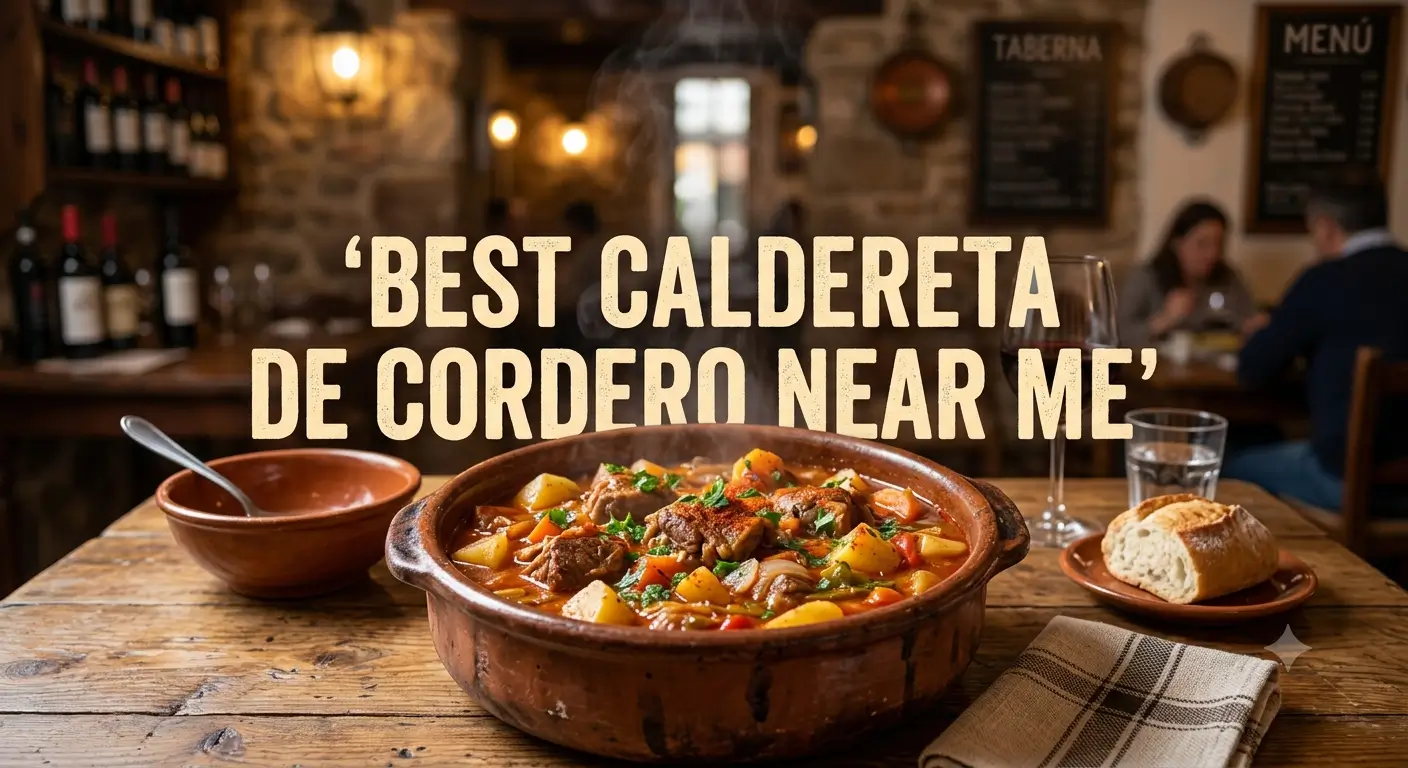
Some dishes stop you mid-bite.
You put the spoon down. Close your eyes for a second. And just enjoy.
Caldereta de cordero is that kind of dish.
It is a slow-cooked Spanish lamb stew that is rich, savory, deeply aromatic, and completely satisfying. And in 2026, more US food lovers are searching for the best caldereta de cordero near me than ever before.
But finding a truly authentic version takes more than a quick Google search. Most restaurants do not even have it on the menu. And the ones that do do not always do it justice.
This complete guide gives you everything you need. What the dish is, what makes it great, where to find it in the USA, and exactly what to look for when you sit down to order.
What Is Caldereta de Cordero?
Best Caldereta de cordero is a traditional Spanish lamb stew. The name tells you everything you need to know.
Caldereta comes from the Spanish word “caldera,” meaning cauldron. That is exactly how this dish was originally made. In a large pot. Over a slow fire. With patience as the most important ingredient.
Cordero means lamb in Spanish. So, the best caldereta de cordero is literally lamb cooked low and slow in a pot until the meat is tender, the sauce is thick, and every ingredient has blended into something deeply flavorful.
This is not a quick dinner. A properly made Best caldereta de cordero can take three to four hours from start to finish. The lamb needs time to break down. The tomatoes need to be reduced and concentrated. The herbs need to bloom and weave through the whole dish.
The result is a stew that tastes like it was made by someone who genuinely cares about cooking. Rich. Warming. Complex. Satisfying in a way that fast food will never be.
It is different from basic beef stew or ordinary lamb chops. The slow-cooking process creates flavors that, layered separately, would not exist. The lamb becomes something it was not before it went into the pot.
At VIP Thoughts, we love covering lifestyle topics that help US readers discover new experiences and make better choices. Finding great food is one of the best investments of your time and energy. Best Caldereta de cordero is one of those dishes worth going out of your way for.
The History and Cultural Roots of Caldereta de Cordero
Understanding where this dish comes from makes eating it even more meaningful.
Best Caldereta de cordero has its roots in rural Spain, specifically in the countryside regions where shepherds spent long days with their flocks. At the end of those long days, they needed meals that were hearty, affordable, and could feed many people from one pot.
Lamb was the obvious protein. Shepherds had access to it. It was rich in flavor and held up well to slow cooking. Combined with basic pantry staples like tomatoes, garlic, onions, and herbs, they created a stew that could simmer all afternoon while the work continued.
Over centuries, caldereta became associated with celebrations and community gatherings. It moved from shepherd camps into family kitchens, village festivals, and regional restaurant menus.
When Spain colonized the Philippines, caldereta traveled with it. Filipino cooks adopted the dish and made it their own. They added local ingredients like fish sauce, liver paste, and chili peppers. Today, the Filipino version of caldereta is one of the country’s most beloved celebration dishes. Many families make it for birthdays, fiestas, and holidays.
Both the Spanish and Filipino traditions of caldereta exist in the USA. And understanding that dual heritage helps you know what to expect when you find different versions near you.
The Spanish version tends toward wine, paprika, and rustic Mediterranean flavors. The Filipino version often has a slightly richer, thicker sauce with liver paste for body and sometimes more heat.
Both are worth trying. Both have devoted fans. And both have the same core philosophy. Patience produces flavor that shortcuts cannot.
Key Ingredients That Make the Best Caldereta de Cordero
The quality of any caldereta comes down to its ingredients. Here is what separates a great bowl from an average one.
The Lamb: Why Cut and Quality Matter
Not all lamb works equally well in caldereta.
The best versions use older lamb from shoulder or neck cuts. These cuts have more connective tissue and natural fat than younger animals. During slow cooking, that connective tissue breaks down into gelatin, which gives the sauce its body and richness. The fat renders into the broth and adds depth.
Younger, leaner lamb can become dry and stringy when slow-cooked for hours. Older lamb shoulder or neck actually improves with time in the pot. It gets better the longer it cooks.
When you pick up a piece of lamb from your bowl, it should break apart easily with a spoon. But it should not be mushy or shredded. It should hold its shape just enough while still being completely tender inside.
The color of the lamb in the bowl also tells a story. Deep brown meat that has absorbed the sauce means the cooking was done right. Pale or gray lamb means it was either undercooked or the meat quality was poor to begin with.
The Sauce and Aromatics
The sauce is where caldereta’s personality lives.
A great caldereta sauce starts with a base of garlic, onions, and tomatoes. These are cooked low and slow until they almost dissolve into the liquid. They form the foundation that everything else builds on.
Tomato paste and fresh tomatoes work together. The paste gives concentration and color. Fresh tomatoes give brightness and acidity. The combination creates a sauce that is neither too sharp nor too flat.
Herbs matter enormously. Bay leaves, oregano, thyme, and black pepper all go in during the slow cook. By the time the dish is finished, these herbs have woven through every element of the stew.
Some traditional versions include liver paste stirred in near the end. This thickens the sauce naturally and adds a richness that cream or flour cannot replicate. In a properly made caldereta, you taste depth rather than liver. It is a background note that makes everything else taste more complete.
Vegetables and Finishing Touches
Potatoes and carrots are the classic vegetable additions. They go in during the final hour of cooking so they absorb flavor without turning to mush.
Bell peppers add sweetness and color. Some versions include green olives for a salty, briny contrast that cuts through the richness of the lamb and sauce.
Chili peppers appear in some regional versions for heat. But traditional Spanish caldereta is mild. Heat is optional, not mandatory.
A pinch of saffron or smoked paprika in the right recipe adds color and an earthy, slightly smoky note that makes the dish unmistakably Mediterranean.
How to Find the Best Caldereta de Cordero Near Me
This is where most food lovers get stuck. The best Caldereta de cordero does not appear on every restaurant menu. You have to know where to look.
Spanish and Mediterranean Restaurants
This is your most reliable starting point.
Authentic Spanish restaurants that focus on traditional regional dishes are the most likely to serve the best caldereta de cordero. Look specifically for restaurants that feature braised and slow-cooked dishes on their menu. A restaurant that takes time with its cooking takes time with caldereta.
Mediterranean restaurants more broadly, including those with Greek, Moroccan, or Portuguese influences, often prepare slow-cooked lamb dishes that share the same philosophy as caldereta. If the restaurant has a genuine commitment to Mediterranean tradition, it is worth asking whether they make caldereta or a similar dish.
When you find a promising Spanish restaurant, do not just check its website menu. Menus change. Call ahead. Ask specifically whether they make the best caldereta de cordero and whether it is made fresh or reheated from frozen. The answer tells you a lot about the kitchen’s values.
Filipino Restaurants and Community Spots
This is the most underrated tip in this entire guide.
Filipino restaurants in the USA prepare caldereta regularly. It is one of the most loved dishes in Filipino cuisine. Family-owned Filipino restaurants often cook it fresh on weekends or serve it as a daily special.
Filipino caldereta differs slightly from Spanish caldereta. But the slow-cooking commitment and the richness of flavor are the same. Many US diners discovered caldereta through Filipino cuisine before ever visiting a Spanish restaurant.
Good indicators of a Filipino restaurant that takes caldereta seriously include a line at lunch, family photos on the walls, and handwritten daily specials. These are signs of a kitchen that cooks from genuine tradition rather than convenience.
Hidden Gems: Butcher Shops and Family-Run Eateries
Do not overlook specialty butcher shops in Filipino or Spanish neighborhoods.
Some butcher shops in communities with strong Spanish or Filipino roots make caldereta fresh and sell it by the portion. These small operations often have the most authentically traditional versions because the people making them grew up eating the dish and know exactly how it should taste.
Local food community groups on Facebook and Reddit are excellent resources here. Search for your city plus caldereta or Spanish food. Real community members often share the local spots that food review websites have not discovered yet.
Small family-run eateries that cook from cultural tradition rather than commercial recipes are where the best versions consistently hide. They may not have a polished website or hundreds of Google reviews. But the food is often extraordinary.
Signs of an Authentic Caldereta de Cordero Restaurant
Once you find a candidate restaurant, here is how to evaluate it before you even order.
The menu description is specific: A restaurant that knows its caldereta describes it in detail. Lamb shoulder. Slow-cooked tomato sauce. Fresh herbs. Specificity signals knowledge. Vague descriptions like “hearty lamb stew” signal a less committed kitchen.
The sauce color is deep and rich: When the dish arrives, the sauce should be a deep rust or brown-red color. Not bright orange. Not pale pink. The depth of color comes from long, slow reduction and proper use of tomato paste.
The lamb holds its shape: Good caldereta lamb breaks apart easily but does not shred or disappear. Mushy lamb was overcooked. Tough lamb was undercooked or the wrong cut.
The sauce coats a spoon: Lift your spoon out of the bowl. Good caldereta sauce clings to the spoon. Watery sauce means the stew was not reduced enough or was diluted.
The restaurant smells right: A kitchen making fresh caldereta creates a distinctive aroma. Garlic. Tomatoes. Warm herbs. Slow-cooked meat. If the restaurant smells like real cooking, that is a very good sign.
Reviews mention the stew specifically: When reading Google or Yelp reviews, look for mentions of caldereta by name. Reviewers who describe specific dishes and explain what they loved are more trustworthy than generic comments.
Best US Cities to Find Caldereta de Cordero Near Me
Some cities in the USA make finding authentic caldereta significantly easier than others.
New York City
NYC has large Spanish, Latin American, and Filipino communities across Queens, the Bronx, and Manhattan. Filipino restaurants in Queens are especially worth exploring. Spanish restaurants in Manhattan with an Iberian focus occasionally offer caldereta as a seasonal special.
Los Angeles
LA has one of the largest Filipino communities in the country and a strong Spanish and Latin dining culture. Filipino restaurants across the San Fernando Valley and East LA are excellent starting points. Some Spanish restaurants in Hollywood also feature traditional braised lamb dishes.
Miami
Miami’s Spanish-speaking community supports a strong demand for authentic Iberian and Latin cuisine. Spanish restaurants in Little Havana and Coral Gables often lean toward traditional slow-cooked preparations. Best Caldereta de cordero appears more frequently here than in many other US cities.
Chicago
Chicago has a smaller but dedicated Spanish and Filipino food scene. Community restaurants in Filipino neighborhoods on the North Side occasionally feature caldereta as a weekend special.
San Francisco and San Jose
The Bay Area’s large Filipino population makes this a strong region for Filipino-style caldereta. Family restaurants in Daly City, which has one of the highest concentrations of Filipino Americans in the country, are particularly worth visiting.
What to Order Alongside Caldereta de Cordero
Best Caldereta de cordero is a full meal on its own. But the right accompaniments make it even better.
White rice: This is the classic pairing for both Spanish and Filipino versions. Plain steamed rice absorbs the rich sauce beautifully. It balances the heaviness of the stew and makes every bite more complete.
Crusty bread: Spanish restaurants often serve caldereta with rustic bread for dipping. A thick slice of sourdough or baguette dragged through the sauce is one of the simple pleasures of this dish. It is completely traditional.
Spanish red wine: Rioja or Tempranillo is the classic Spanish pairing with lamb. Their earthy, fruit-forward character complements the savory richness of caldereta without fighting it.
Pickled vegetables: Some Filipino caldereta restaurants serve pickled papaya or cucumber as a side. The acidity cuts through the richness of the stew and refreshes your palate between bites.
Grilled or sauteed greens: A simple side of grilled asparagus, sauteed spinach, or roasted broccoli provides a clean, slightly bitter contrast to the richness of the lamb and sauce.
Common Mistakes Restaurants Make with Caldereta de Cordero
Knowing what bad caldereta looks like helps you avoid disappointment.
Rushing the cooking time: Caldereta cannot be rushed. A version cooked in under two hours will lack the depth of flavor that slow cooking creates. The sauce will be thin. The lamb will be tough or unevenly cooked.
Using the wrong lamb cut: Lean leg meat or rack lamb does not become tender the same way as shoulder or neck does. Restaurants that use lean cuts for caldereta often produce dry, disappointing results.
Watery sauce: A caldereta sauce that looks like broth means either too much liquid was used or the dish was not reduced long enough. Good sauce should be thick enough to coat the meat and cling to the bowl.
Over-spicing or under-seasoning: Caldereta should taste balanced. No single flavor should dominate. When restaurants add too much chili to compensate for a lack of cooking time, the result is unbalanced.
Frozen or reheated shortcuts: Some restaurants freeze caldereta in bulk and reheat it per order. A freshly made caldereta and a reheated frozen one taste noticeably different. Fresh has more brightness in the sauce and better lamb texture.
conclusion
Best Caldereta de cordero is one of those dishes that rewards the effort of finding it.
It is not everywhere. It takes real skill to make properly. And when you find a restaurant or home cook who makes it right, the experience is genuinely memorable.
Use the tips in this guide. Search for Spanish, Mediterranean, and Filipino restaurants in your city. Ask specifically whether they make caldereta fresh. Look for the signs of quality in the sauce and the lamb. Let the aroma guide you when you arrive.
The search for the best caldereta de cordero near me leads you to corners of the food world that most people never find. Family restaurants with real tradition. Neighborhood spots that care about what they serve. Dishes that carry centuries of cultural history in every bite.
At VIP Thoughts, we believe that food exploration is one of the best lifestyle investments you can make. Best Caldereta de cordero is exactly the kind of discovery that changes how you think about comfort food. Go find it. You will not regret it.
Frequently Asked Questions
What does caldereta de cordero mean?
Caldereta means slow-cooked stew in Spanish, and cordero means lamb. Together, the name describes a traditional Spanish lamb stew slow-cooked with tomatoes, vegetables, and aromatic herbs until deeply flavorful.
Where can I find authentic caldereta de cordero near me?
Start by searching for Spanish, Mediterranean, or Filipino restaurants on Google Maps or Yelp in your city. Family-owned spots and community butcher shops in Spanish or Filipino neighborhoods are your best bet.
How does caldereta de cordero taste?
It tastes rich, savory, and slightly smoky with deeply tender lamb and a thick tomato-based sauce. Traditional versions focus on layered herb flavors rather than intense heat or spice.
Is caldereta de cordero spicy?
Traditional versions are not spicy. They focus on savory depth from slow cooking, garlic, tomatoes, and herbs. Some restaurants offer optional chili peppers, but the classic version is mild and aromatic.
What is the best way to eat caldereta de cordero?
Serve it over white rice, which absorbs the rich sauce perfectly. Crusty bread for dipping and a glass of Spanish Rioja or Tempranillo complete the traditional experience beautifully.