

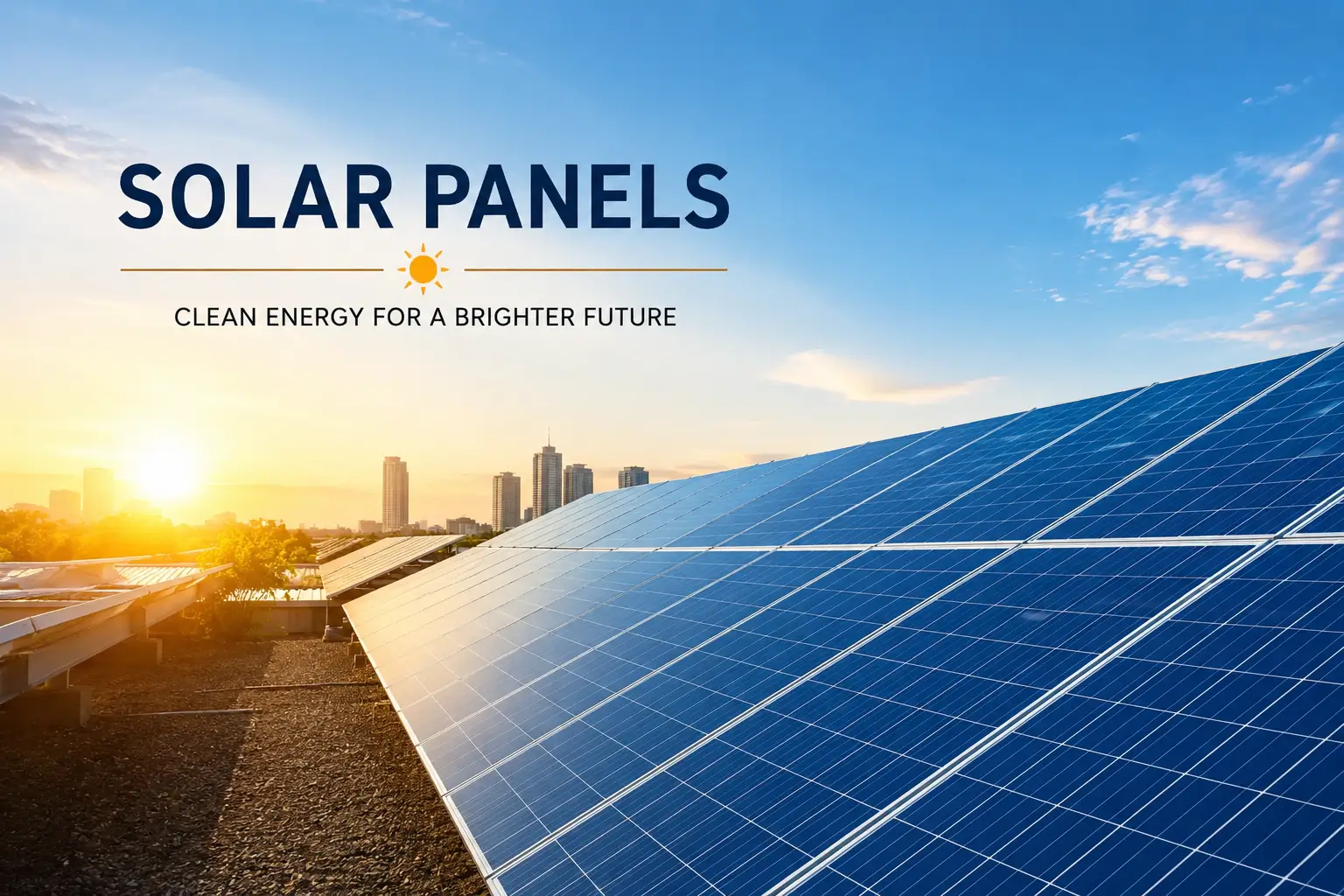
Introduction: Why Solar Energy Is Becoming So Important
Electricity demand is increasing everywhere, and most homeowners are now looking for smarter and cleaner ways to power their homes. Traditional electricity comes from power plants that rely on fossil fuels, which can be expensive and harmful to the environment.
This is where it have become a powerful solution. They allow homeowners to generate electricity directly from sunlight, which is clean, renewable, and available almost everywhere. Because of this, solar energy is now one of the fastest-growing home improvement trends in the USA, UK, and Canada.
In this guide from VIP Thoughts, you will learn what solar panels are, how they work in simple steps, and what real benefits they bring to modern homes.
What Are Solar Panels?
These are systems made of photovoltaic (PV) cells that convert sunlight into usable electricity for homes and buildings.
Each panel is made up of many small cells that work together to capture sunlight. When sunlight hits these cells, it creates energy that can be used immediately in your home. This process does not require fuel, noise, or moving parts, which makes it very clean and efficient.
In simple words, solar panels act like a bridge between sunlight and your home’s electrical system.
Quick Summary
- It turn sunlight into electricity
- They use photovoltaic cells to create energy
- They reduce dependence on traditional power sources
- They work silently and automatically
- They are widely used in modern home improvement systems
How Solar Panels Work (Step-by-Step Explanation)
Understanding how solar panels work becomes easy when you break it into simple stages.
Sunlight Absorption
They are installed on rooftops or open spaces where they receive direct sunlight. Each panel contains photovoltaic cells made from silicon, which absorb sunlight throughout the day.
When sunlight hits these cells, it creates energy at the atomic level. This is the beginning of electricity production.
Conversion of Sunlight into Electrical Energy
Once sunlight is absorbed, the PV cells convert it into direct current (DC) electricity. This is the raw form of electricity that cannot directly run most home appliances.
Even on cloudy days, it still absorbs diffused sunlight and continue producing energy, although at a lower level.
Role of the Inverter
The electricity produced by it is not immediately usable in homes. That is why an inverter is used.
The inverter converts DC electricity into alternating current (AC), which is the standard form of electricity used in households. Without this step, solar energy would not power everyday appliances like fans, refrigerators, or TVs.
Power Distribution in the Home
Once converted, the electricity flows into your home’s electrical system. It is used instantly to power whatever devices are running at that moment.
If your home is using more electricity, solar power supports part of the load, reducing the demand from external power sources.
Energy Management and Storage
Modern solar systems often include energy storage options. This allows extra electricity generated during the day to be saved for later use.
This stored energy becomes useful at night or during low sunlight conditions, helping maintain a stable power supply.
Types of Solar Panels Explained
Not all solar are the same. Different types are used depending on efficiency needs and installation space.
Monocrystalline Panels
These are made from pure silicon and are highly efficient. They perform well even in limited space and are commonly used in residential rooftops.
Polycrystalline Panels
These panels are made from multiple silicon fragments. They are slightly less efficient but still widely used for home installations.
Thin-Film Panels
These are lightweight and flexible. They are mostly used in large commercial projects or specific installations where flexibility is required.
Key Benefits of Solar Panels for Homes
Clean and Renewable Energy
One of the biggest advantages of solar is that they produce clean energy. They do not release harmful gases or pollutants, making them environmentally friendly.
Unlike fossil fuels, sunlight is unlimited and available every day.
Reduced Dependence on Traditional Electricity
Solar allow homeowners to rely less on external electricity sources. This helps create more control over energy usage, especially during peak demand times or power shortages.
Better Energy Stability
Solar systems provide a more stable energy flow when combined with proper setup. Homes can continue using stored or generated energy even when the main grid is unstable.
This makes solar energy a reliable option in many regions.
Supports Modern Smart Homes
Many modern homes are now integrating solar systems with smart energy devices. This helps monitor electricity usage, track performance, and optimize energy consumption automatically.
Environment Protection
Using solar energy reduces carbon emissions and helps decrease pollution levels. This is important for improving air quality and supporting long-term environmental health.
Every installation contributes to a cleaner planet.
Real-Life Example
Imagine a home in Texas using a solar system throughout the day. As sunlight hits the roof, the system generates electricity that powers lights, fans, and appliances. During peak sunlight hours, the home relies mostly on solar energy instead of external sources.
At night, stored energy or grid support continues to power the home smoothly. This combination creates a balanced and efficient energy system.
Common Misunderstandings About Solar Panels
Myth 1: Solar panels only work in hot weather
It actually works with sunlight, not heat. Even cool, cloudy days can still generate electricity.
Myth 2: They require constant attention
In reality, solar are low-maintenance systems with long lifespans and minimal upkeep.
Myth 3: They stop working quickly
High-quality solar panels are designed to last for decades while maintaining consistent performance.
Environmental Impact of Solar Energy
Solar energy plays an important role in reducing environmental damage caused by traditional electricity production.
It helps reduce:
- Air pollution
- Greenhouse gas emissions
- Dependence on fossil fuels
By switching to solar systems, households contribute to cleaner cities and healthier living environments.
FAQs About Solar Panels
How do solar panels generate electricity?
Solar generates electricity by capturing sunlight through photovoltaic cells, which convert light energy into electrical energy. This process happens instantly when sunlight hits the panel surface.
Do solar panels work without direct sunlight?
Yes, they still work in cloudy or indirect light conditions. However, their efficiency may be lower compared to full sunlight exposure.
What happens to the extra energy produced?
Extra energy can either be stored in batteries or sent back to the power grid, depending on the system setup. This helps maximize energy usage efficiency.
Are solar panels suitable for all homes?
Most homes can use solar systems if they have enough roof space and sunlight exposure. However, installation suitability depends on roof condition and location.
Final Thoughts
Solar energy is becoming a key part of modern home improvement because it offers a cleaner and more efficient way to generate electricity. Understanding how it works helps homeowners make better decisions for the future.If you want more simple and practical guides on modern home upgrades, keep exploring VIP Thoughts, where complex topics are explained in an easy and useful way.